


Coastal Trail Hazards: Why Post-Hike Lethargy, Head Shaking, or Sudden Licking Signals Hidden Malibu Environmental Threats
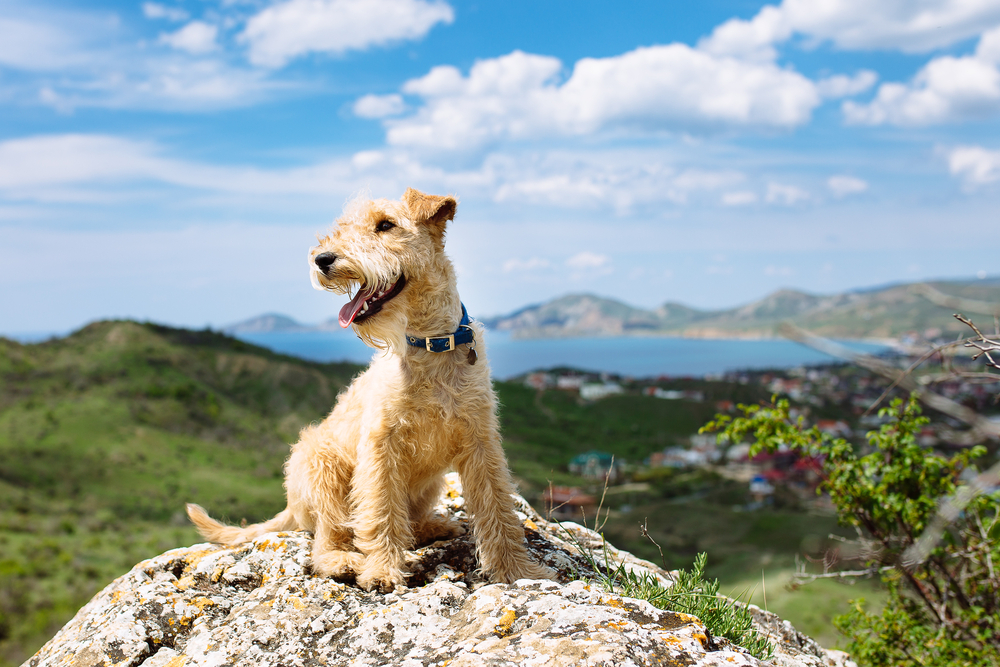
Hiking with your dog is one of the best ways to enjoy Malibu, but local trails can expose pets to hazards that are easy to overlook. Dry grasses, foxtails, insects, heat, rough terrain, and wildlife can all cause problems during or after a hike. Sometimes the first sign is not an obvious injury. Your dog may simply seem unusually tired, start shaking their head, or repeatedly lick one spot.
At Malibu Coast Animal Hospital, we encourage pet owners to pay attention to sudden behavioral changes after outdoor adventures. Small symptoms can sometimes point to a hidden problem that needs veterinary care.
Head Shaking May Point to a Foxtail
Foxtails are especially concerning for dogs exploring grassy areas. Their barbed shape allows them to become lodged in the ears, nose, paws, skin, and other tissues. Once embedded, they may continue to migrate rather than working themselves out naturally.
A dog that suddenly begins shaking their head, tilting it, pawing at an ear, or sneezing repeatedly after a Malibu hike may have picked up a foxtail. Prompt evaluation is important because early removal is typically easier before the plant material moves deeper.
Our veterinary team has access to diagnostic imaging and endoscopy, including techniques that may be used when evaluating and removing nasal foxtails.
Why Sudden Licking Deserves Attention
Repeatedly licking one paw, leg, or other area after a hike often means something is bothering your dog. Check carefully for:
- Foxtails or other plant material between the toes
- Small cuts, punctures, or cracked paw pads
- Thorns, burrs, or splinters
- Insect bites or stings
- Swelling, redness, or tenderness
Even when you cannot see anything, persistent licking should not be ignored. Foreign material can become embedded beneath the skin where it is difficult to spot at home.
Post-Hike Lethargy Is Not Always Normal Fatigue
A long Malibu trail can certainly leave a dog ready for a nap, but significant lethargy can have other causes. Overheating and dehydration may cause weakness, heavy panting, drooling, vomiting, or reduced energy. Dogs can also encounter rattlesnakes on California trails, and a bite may cause pain, swelling, weakness, bleeding, or collapse.
If you suspect a rattlesnake bite, seek veterinary care immediately rather than waiting for symptoms to improve. Our emergency medicine services include in-house laboratory testing, digital radiography, ultrasound, patient monitoring, and supportive care when needed.
Check Your Dog After Every Malibu Hike
Before heading home, inspect your dog's ears, paws, coat, armpits, and groin for plant material, wounds, swelling, or other abnormalities. Offer fresh water and allow time to cool down. If your dog continues shaking their head, licking one area, acting unusually tired, limping, or showing signs of pain, a veterinary examination can help identify what is happening beneath the surface.
If something seems off after your dog's latest trail adventure, contact Malibu Coast Animal Hospital at 23431 Pacific Coast Hwy, Malibu, CA 90265 by calling (424) 402-5100 for veterinary care.

Services
Learn More
Keep
In Touch
Get in Touch
Contact Info
Malibu Coast Animal Hospital23431 Pacific Coast Hwy
Malibu, CA 90265
Malibu, CA 90265
Phone(424) 402-5100
Business Hours
- Monday-Friday7:30 AM - 6:30 PM
- Saturday8:30 AM - 2:00 PM
- Sunday8:30 AM - 2:00 PM
Malibu Coast Animal Hospital & Palisades Animal Clinic is closed to clients on the following holidays:
New Year’s Day, Easter, Memorial Day, Independence Day, Labor Day, Thanksgiving Day, Christmas Day
2026 Malibu Coast Animal Hospital. All Rights Reserved. Sitemap
Powered by: 

